

FAQ
Below are common questions. If you don’t find what you need, contact us.
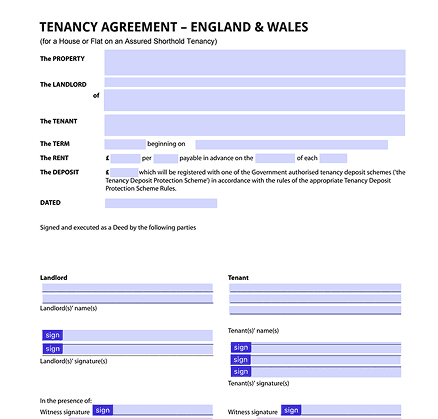
A Tenancy Agreement sets out the terms between a landlord and a tenant for renting a residential property in the UK. It typically covers rent, deposit, term (fixed/periodic), responsibilities for repairs, notice, and house rules. Most private lets in England use an Assured Shorthold Tenancy (AST).
Landlords and tenants who want a clear, professional contract they can customise—suitable for most standard private rentals. (HMOs or special situations may require additional clauses.)
Core terms such as rent and due date, deposit and protection, length of tenancy (and any break clause), utilities and bills, repairs and maintenance, permitted occupiers, subletting, pets, notice periods, and signatures/witnessing.
When correctly completed and signed, a Tenancy Agreement is a binding contract. Always ensure it reflects current UK regulations. Our template is generic and not legal advice—seek a professional review if you have specific circumstances.
If you take a deposit for an AST, you must protect it in a government-approved deposit scheme and serve the required prescribed information within the statutory deadlines.
Landlords must carry out Right to Rent checks before the tenancy starts. Keep evidence with your agreement.
Yes. Fill in the template in our editor, then e-sign or print to sign by hand. Some landlords and agents prefer wet signatures—check your requirements.
A guided, editable agreement, easy updates any time, a print-ready PDF, and tools that keep your document clear, consistent, and professional—without unnecessary paperwork.